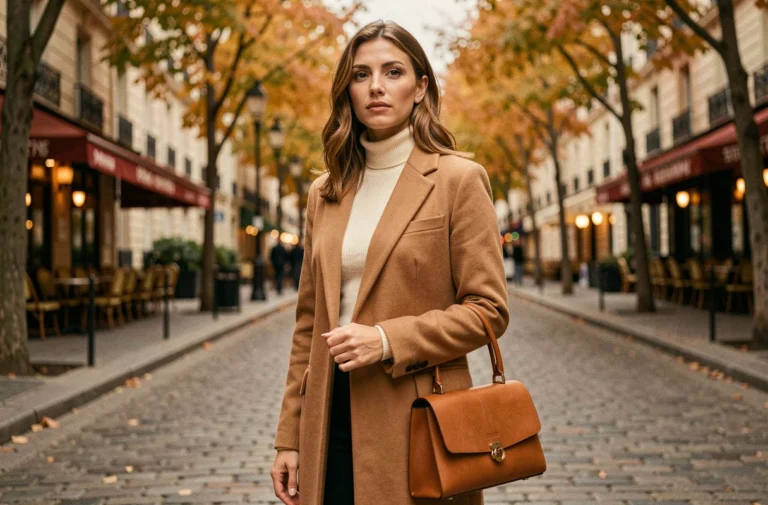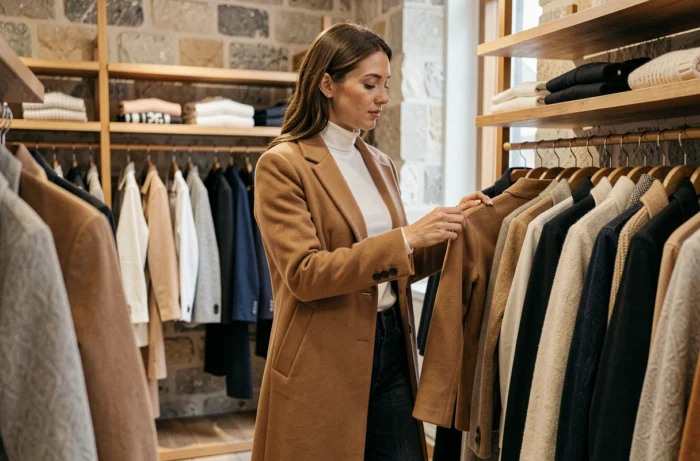
You open your wardrobe one September morning, and nothing seems right. The blazer bought in spring clashes with the pants worn all summer, the midi dress feels dated, and the colors no longer match. This mismatch between what we own and what we see in store windows happens every season. Instead of buying everything new, we can work on a few strategic pieces and adjust our habits to maintain a consistent style throughout the year.
Green claims on fashion labels: what changes in 2026
When buying a jacket labeled “eco-friendly” or “green,” we assume that the manufacturer has made a real effort regarding materials or production. Starting from September 27, 2026, the European directive (EU) 2024/825 will make these practices illegal unless they are based on verifiable evidence.
In practical terms, private labels without independent certification are prohibited. Gone are the terms “eco-friendly,” “green,” or “environmentally friendly” used without justification. For a brand to make such claims, it must rely on a recognized standard (like EU Ecolabel or ISO 14024).
Claims of carbon neutrality based solely on compensation (“climate neutral,” “CO₂ neutral”) are also targeted. Penalties can reach up to 4% of the brand’s annual revenue.
For us as consumers, this means we can trust the labels that will survive this regulatory sorting. When exploring the fashion world on Je veux de l’info, we see how these issues are already transforming buying criteria. Before investing in a “sustainable” piece, checking for the presence of third-party certification remains the most reliable reflex.

Building a seasonal wardrobe without buying everything new
The classic trap: accumulating trendy pieces each season and ending up with an overloaded wardrobe where nothing matches. We save time (and money) by thinking in outfit blocks rather than isolated purchases.
The three-outfit test
Before buying a garment, we check that it can be worn with at least three pieces already in our wardrobe. A wide beige pant works with a white t-shirt, an oversized blazer, and a patterned blouse. A piece that only goes with one look will end up forgotten.
This filter eliminates unnecessary crushes. It also encourages investing in solid basics rather than highly marked pieces that only last a season.
Summer-winter rotation with the same pieces
A midi dress worn alone in July transforms into an autumn outfit with a thin sweater over it and ankle boots. A short trench transitions from spring to autumn without modification. Layering rather than replacing reduces the number of necessary pieces.
- The oversized blazer in lightweight wool covers spring and autumn, worn open over a t-shirt or closed with a scarf
- The barrel jeans (rounded cut at the hips) replace slim jeans all year round, with sneakers in summer and boots in winter
- The thick cotton shirt serves as an overshirt as soon as temperatures drop, without buying an extra jacket
Trendy colors: adapting palettes to your own style
The spring-summer 2026 fashion shows highlighted red, leather, and modernized pastel tones. On paper, it sounds appealing. In practice, not everyone can wear bright red every day.
The practical approach is to translate the trendy color into a wearable shade. If red dominates the runways, one can opt for burgundy or terracotta depending on their complexion. Butter yellow, very present this season, can be adapted into golden beige for those who prefer less saturated tones.
Opinions vary on this point: some people adopt bold colors as accessories (bag, scarf, belt) rather than as main pieces. It’s a compromise that allows capturing the trend without overhauling the wardrobe.
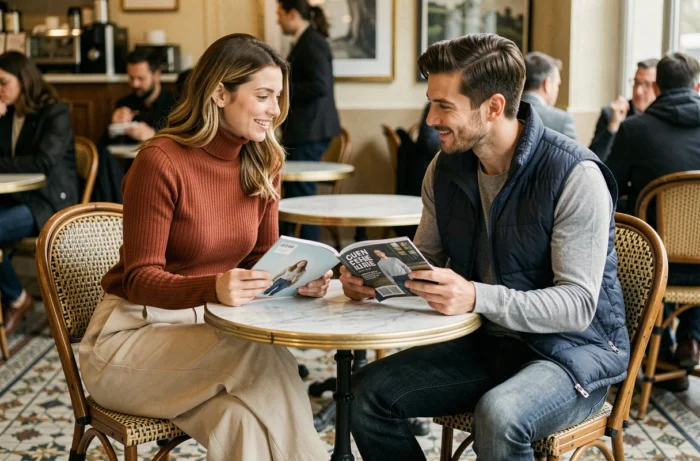
Fashion pieces to watch for autumn-winter
Rather than listing all the trends from the shows, we focus on pieces that meet a simple criterion: daily wearability and longevity beyond one season.
Wide pants remain a staple. Worn with loafers or high-top sneakers, they adapt well to both the office and the weekend. The materials to prioritize for winter: blended wool or corduroy, which hold up better than the lightweight fabrics of summer versions.
The short colored jacket, seen on the spring-summer 2026 runways, is available in a quilted version for autumn. It is worn over a plain turtleneck to maintain a structured look without adding layers.
- The oversized thick knit sweater replaces the classic sweatshirt, with a more dressed-up fall
- The mid-length trench in waterproof cotton covers the October-November period without pulling out the winter coat
- Leather accessories (wide belts, structured bags) anchor an outfit in the season without being overdone
Style does not depend on the quantity of pieces bought or blindly following trends. We maintain a functional wardrobe by filtering each purchase based on its combination potential, adapting the current colors to our own palette, and ensuring that the claims on the label correspond to a certified reality. The next time an “eco-friendly” garment catches your eye, looking for the logo of an independent standard will be the most useful fashion gesture of the season.