The autumn-winter 2026 season is not just about a rotation of palettes and silhouettes. It marks a turning point where European regulatory constraints reshape what arrives in stores, the composition of fibers, and even the expected lifespan of pieces. We are witnessing a rare alignment between the stylistic codes of the runways and the technical requirements imposed on brands.
European textile regulation and its impact on autumn-winter 2026 collections
Since July 19, 2026, large companies that market textiles in the European market can no longer destroy their unsold clothing and shoes. This provision, stemming from the European regulation on the eco-design of sustainable products, alters the upstream production logic.
In practical terms, brands are adjusting their volumes and favoring slower-moving pieces, which promotes durable basics and timeless cuts at the expense of disposable micro-trends. For consumers, this means more streamlined collections, with fabrics designed to last several seasons.
The other deadline to watch concerns environmental claims. Starting September 27, 2026, vague mentions like “eco-friendly” or “green” must be substantiated by verifiable evidence. Before purchasing a piece labeled “sustainable,” we recommend checking if the brand publishes precise data on the composition, origin of fibers, and manufacturing conditions.
Meanwhile, the European Union is preparing the Digital Product Passport for textiles, with a rollout expected from 2027-2028. This digital passport will display the composition, reparability, and end-of-life of each piece. Brands that anticipate this requirement are already offering enriched labels, a quality signal to look out for now.
Structured silhouettes and autumn palette: key fashion pieces to prioritize
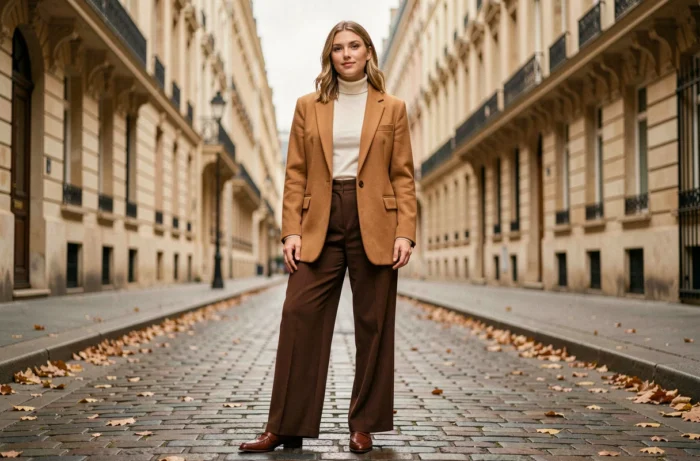
The structured wide-leg pant remains the key piece of the season. With a defined waist, ample drape, and a fabric dense enough to hold its shape without ironing, it replaces skinny jeans in most professional and casual wardrobes. We see it worn with thin belts to accentuate the waist, creating a sharp contrast between the fitted top and voluminous bottom.
In terms of colors, chartreuse green is emerging as the standout shade of autumn, with a notable increase in online searches. It works well both as an accessory (bag, scarf) and as a statement piece. For those hesitant to check out the new arrivals on FashionUp, it helps to see how brands are interpreting this shade across different categories.
The flowing long dress confirms its place in autumn-winter collections. Inspired by the poetcore trend that appeared on the runways of Milan and Paris, it plays with layering: worn with a short jacket or an oversized blazer, it transitions from office to dinner. Versions in fine knit or crepe are the most versatile.
Accessories and details that change a look this season
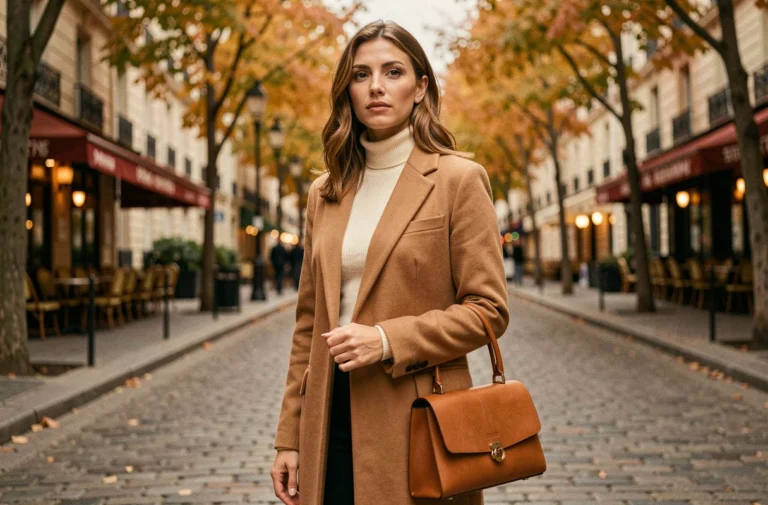
The cinched bag is emerging as the dominant shape for autumn 2026. Its rigid structure and contained volume contrast with the soft maxi bags of previous seasons. It is an accessory that imposes a clean line on the silhouette.
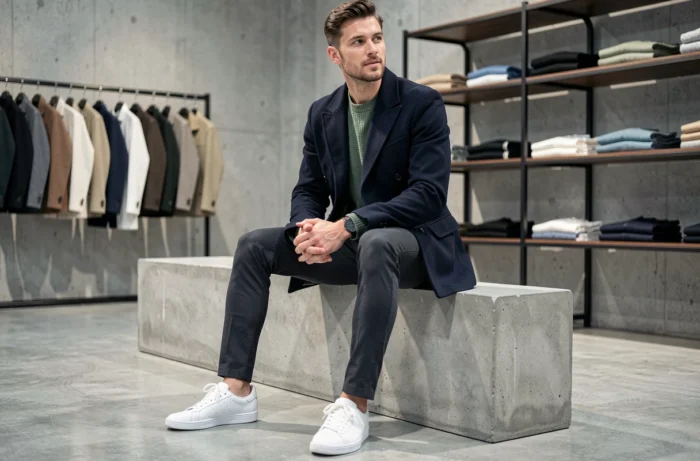
The polo shirt returns as an alternative to the classic blouse. Worn under a blazer or alone with tailored pants, it adds a controlled sportswear touch. Ribbed knit or mercerized cotton materials are preferred to avoid looking too casual.
- The barrel jean (rounded cut at the knee, tapered at the ankle) is gradually replacing the classic straight jean and pairs well with block-heeled ankle boots.
- Brooches and bold details on collars and jacket lapels are returning to collections as markers of a personalized style.
- Butter yellow and sky blue tones work well as accent pieces on neutral outfits (beige, gray, navy).
Second-hand and circular fashion: a style reflex, not a compromise
Resale is now growing faster than the new market in Europe. It is no longer a parallel circuit reserved for bargain hunters: online platforms have normalized the purchase of second-hand pieces, including in premium segments.
From a stylistic perspective, second-hand opens access to pieces from previous seasons that are unavailable in stores. A short trench from a past collection or a vintage oversized blazer brings a uniqueness that current collections, which are more streamlined in volume, do not always allow.
Building a sustainable wardrobe without sacrificing style
The most effective logic is to anchor your wardrobe around three to four key pieces (wide-leg pants, short jacket, long dress, barrel jeans) and complement them with seasonal accessories. This approach limits impulsive purchases while allowing for a refreshed look each autumn.
- Check the fiber composition before purchase: a blend with more than two synthetic materials complicates future recycling.
- Favor pieces with visible finishes (reinforced seams, replaceable buttons) that indicate a construction designed to last.
- Test second-hand on a specific category (coats, bags) before expanding it to the entire wardrobe.
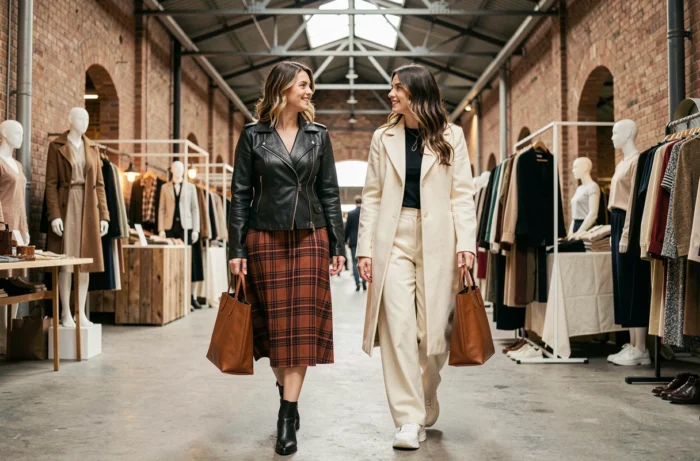
The autumn-winter 2026 fashion stands out for a convergence between regulatory demands and the evolution of silhouettes. The most relevant pieces this season are those that hold up for several years without losing their shape or stylistic relevance. Focusing on construction quality rather than perpetual novelty remains the most coherent choice with what the European market now imposes on brands.